In regions prone to thunderstorms or electrical surges, protecting power systems and infrastructure becomes a top priority. This is where lightning arresters come into play. These essential protective devices are widely used in electrical and telecommunication networks to guard against the damaging effects of lightning strikes and switching surges.
In this blog, we will explore what a lightning arrester is, how it works, the different types available, and why it is crucial for modern electrical systems.
A lightning arrester (also known as a surge arrester) is a protective device installed on electrical power systems, transmission lines, substations, or buildings. Its primary role is to protect equipment from high-voltage surges, typically caused by lightning strikes or sudden switching operations.
It works by diverting surge energy away from sensitive components and safely directing it to the ground, thereby minimizing damage to the electrical infrastructure.
Lightning arresters operate based on the principle of voltage clamping. Under normal operating conditions, the arrester acts as an open circuit and does not interfere with the flow of power. However, when an overvoltage event occurs, such as a lightning strike, the arrester becomes conductive and safely channels the excessive voltage to the ground.
Here is a step-by-step breakdown:
Normal Operation: The arrester remains non-conductive. Electrical current flows normally through the system without interference.
Surge Detection: When a high-voltage surge from lightning or switching is detected, the arrester’s internal components (such as zinc oxide blocks in modern arresters) respond instantly.
Surge Diversion: The arrester offers a low-impedance path to the ground, allowing the surge to pass through it instead of entering sensitive electrical equipment.
Restoration: After the surge passes, the arrester quickly returns to its high-resistance state, allowing normal system operation to resume.
This rapid response mechanism prevents damage to transformers, switchgear, insulators, communication systems, and other critical infrastructure.
Several types of lightning arresters are used depending on the voltage level, application, and installation environment. Common types include:
1. Rod Gap Arrester
One of the earliest types, this device consists of two air gaps between a rod and the ground. It is simple but less efficient and not suitable for modern high-voltage systems.
2. Valve-Type Arrester
This type uses nonlinear resistor discs (such as silicon carbide) in combination with spark gaps. It offers better performance than rod gap types but has been largely replaced by newer technologies.
3. Metal Oxide Varistor (MOV) Arrester
The most widely used modern type, it contains zinc oxide blocks that exhibit nonlinear resistance, making it highly effective at clamping voltage surges quickly.
4. Expulsion Type Arrester
Commonly used in distribution networks, this type expels arc gases when a surge occurs, helping interrupt and clear the surge path.
Lightning arresters are deployed across a wide range of settings, including:
Power Transmission and Distribution Lines
Industrial and Manufacturing Plants
Commercial Buildings and Complexes
Substations and Switchgear Assemblies
Telecommunication Towers and Equipment
Solar and Renewable Energy Systems
Their installation is essential in areas with high lightning activity, tall structures, or sensitive electrical devices.
At Alyamuna Densons, we specialize in providing high-performance lightning arresters and surge protection solutions tailored to meet the demands of power utilities, industries, and infrastructure projects across the UAE and GCC.
Our lightning surge arresters are designed to meet international standards, offering excellent surge protection, long service life, and maintenance-free operation. Whether you are protecting a transformer, substation, or high-voltage network, we deliver reliable and durable solutions engineered for extreme environments.
Lightning arresters are an indispensable part of any electrical protection system. By diverting high-voltage surges safely to the ground, they protect expensive equipment, minimize downtime, and ensure operational continuity. As power systems grow more complex and the risk of electrical surges increases, installing a high-quality lightning arrester is not just a safety measure — it is a necessity.
Articles
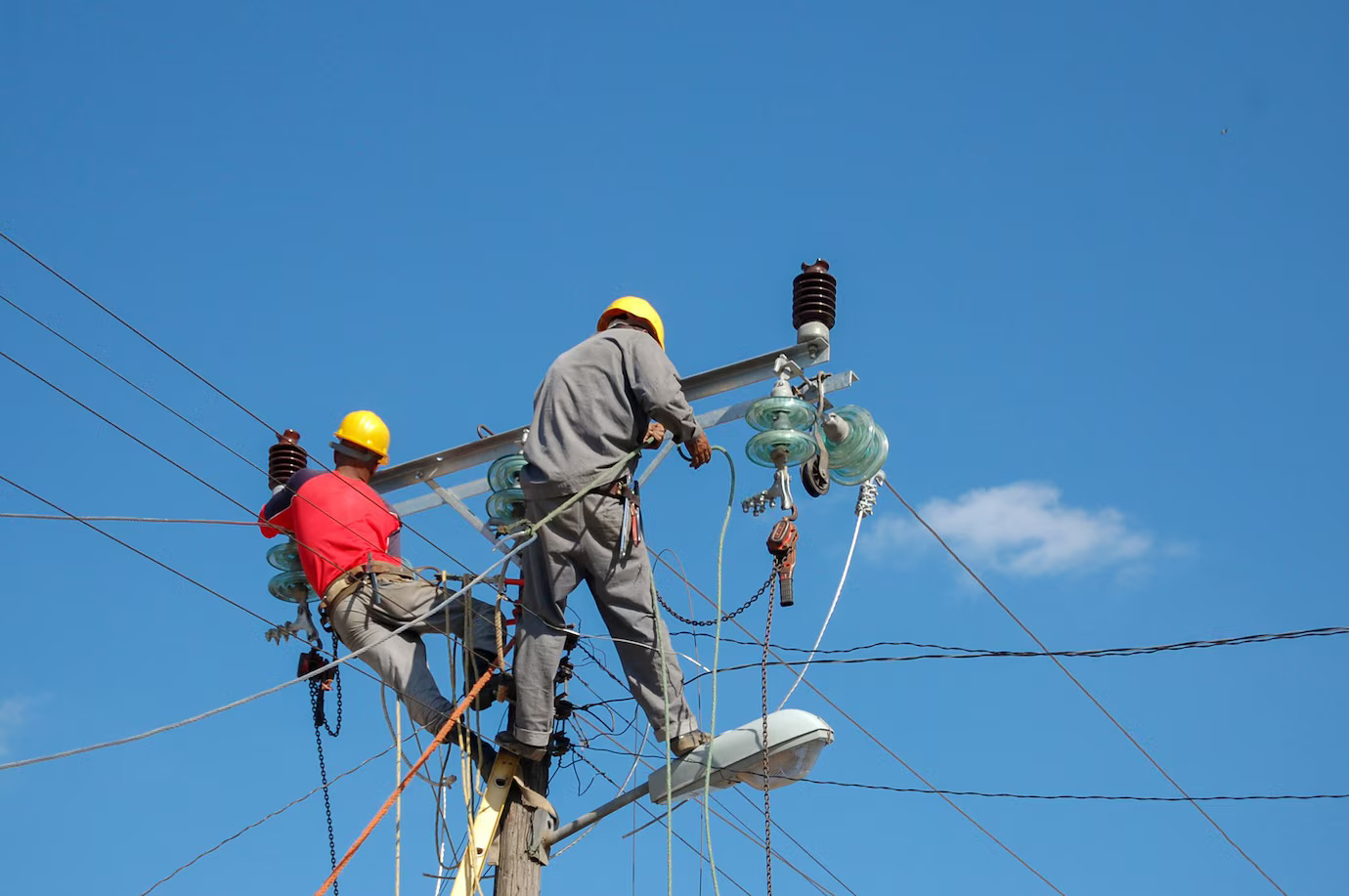 Why do you need to invest in Lightning Surge Arresters?
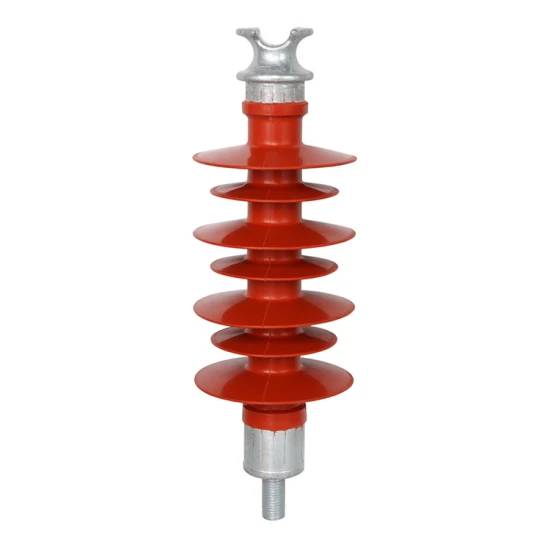 Know the leading Polymer Composite Insulators
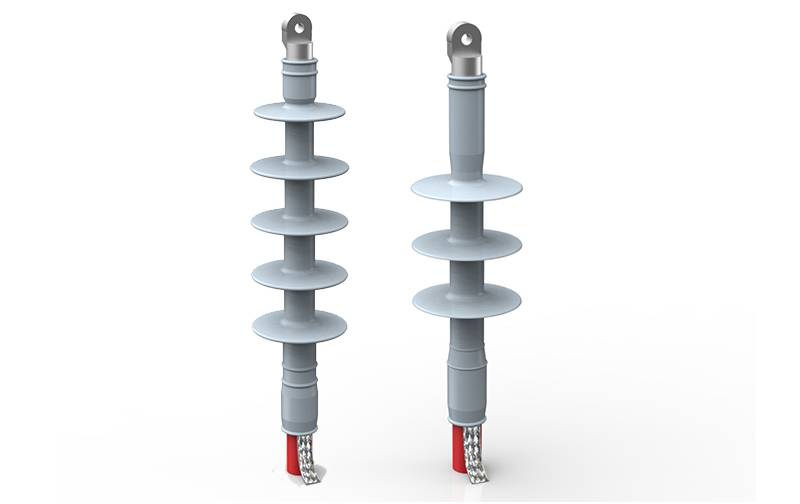 Clear The Doubts With Essential Data On Cold Shrink Cable Terminations
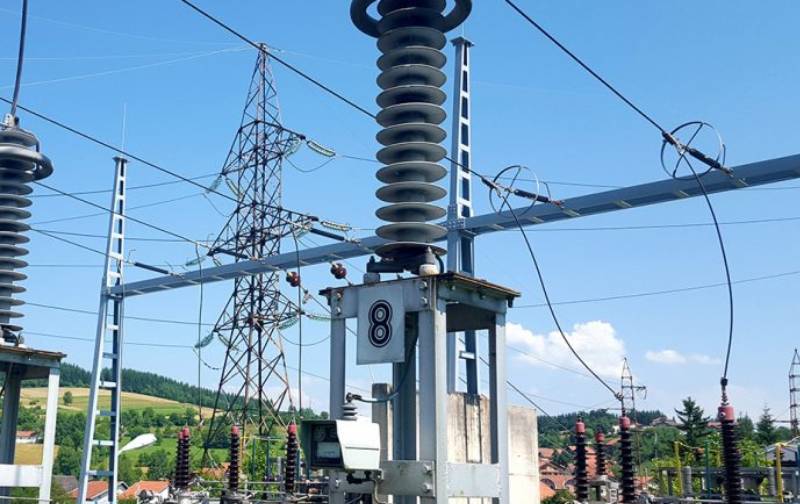 Top Benefits Of Using The Surge Arrester From The Top Manufacturers
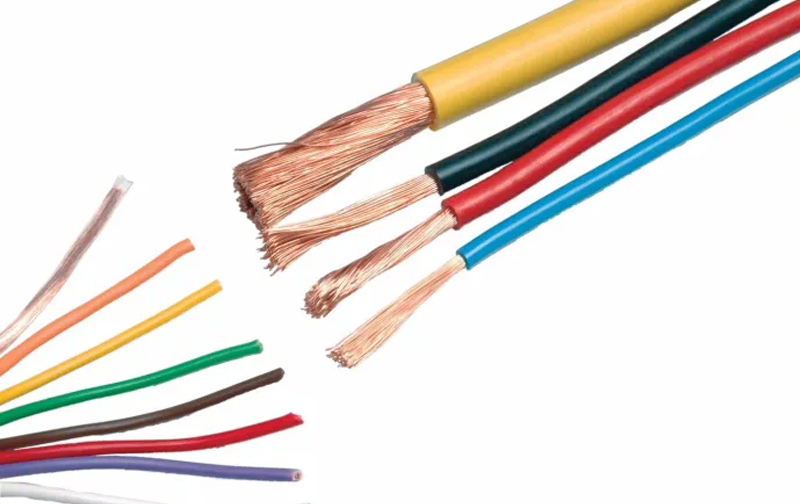 Selecting the Appropriate Power Cable Jointing Kits: Essential Factors to Consider
A lightning arrester protects electrical equipment from high-voltage surges caused by lightning strikes or switching events. It diverts excess voltage safely to the ground, preventing damage to transformers, cables, and switchgear.
Lightning arresters remain non-conductive during normal operation. When a surge occurs, they become conductive and provide a low-resistance path for the surge to travel to the ground. Once the surge subsides, they return to a high-resistance state.
Lightning arresters are typically installed at strategic points such as substations, power transmission lines, switchgear assemblies, communication towers, and near sensitive electrical equipment or buildings.
The most common types include:
Rod Gap Arresters
Valve-Type Arresters
Metal Oxide Varistor (MOV) Arresters
Expulsion-Type Arresters
Each type serves specific voltage ranges and environmental conditions.
Metal Oxide Varistor (MOV) arresters are the most widely used today due to their fast response time, high energy absorption capacity, and maintenance-free design.
Address 1 - PL214H Al Hamra Industrial Zone-NFZ, RAK, United Arab Emirates
Address 2 - P.O. Box 14577 Warehouse #1, Shed #9
Technology Park, Ras Al Khaimah, U.A.E.
Email : grace@alyamunadensons.ae
Phone : +971 7 2233013
Mobile : +971 542479518
Kindly provide your information, and our expert team will get in touch with you shortly.