


In any electrical system, ensuring proper connection, insulation, and protection of cables is crucial for both performance and safety. Cable terminations play a vital role in achieving these objectives. Whether it is for underground power cables, industrial control systems, or utility substations, reliable cable terminations are essential for transmitting electrical power efficiently and safely.
In this blog, we will explain what cable terminations are, why they matter, and where they are used, especially in the context of high-voltage and medium-voltage cable systems.
What is a Cable Termination?
Cable terminations refer to the physical and electrical connection of the end of a cable to another device or terminal. This connection ensures that the electrical signal or power is transmitted without interruption, leakage, or damage to the cable or connected equipment.
Terminations also provide mechanical support, environmental protection (such as resistance to moisture and contaminants), and electrical insulation at the cable end.
Why are Cable Terminations Important?
Cable terminations are more than just an endpoint. They serve several critical functions:
Electrical Insulation: Prevents arcing, corona discharge, and short circuits at the termination point.
Mechanical Support: Provides strength to hold the cable in position without stress on internal conductors.
Environmental Sealing: Protects against moisture, dust, chemicals, and UV exposure.
Safe Current Transfer: Enables secure and efficient current transfer between the cable and the equipment.
Improper or poorly installed terminations can lead to failures, outages, and even hazardous conditions, particularly in high-voltage applications.
Types of Cable Terminations
Cable terminations come in various designs, depending on the type of cable, voltage level, and installation environment. Below are the most common types:
1. Heat Shrink Terminations
Widely used in medium- and high-voltage applications, heat shrink terminations involve polymer tubing that shrinks when heated to form a tight seal around the cable. They offer excellent insulation, weather resistance, and mechanical protection.
2. Cold Shrink Terminations
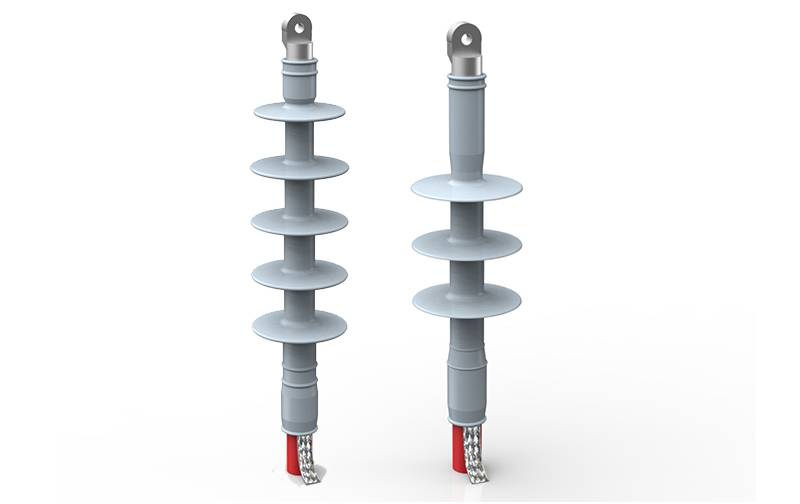
Cold shrink technology uses pre-expanded silicone or EPDM rubber sleeves that contract once positioned on the cable, eliminating the need for heat. These are ideal for installations where flame or heat is not permissible, such as in hazardous environments.
3. Resin-Poured Terminations
In this method, insulating resin is poured into a mold around the cable termination. These are commonly used in indoor, low-voltage applications and offer reliable sealing and protection.
4. Plug-In/GIS Terminations
Used for Gas-Insulated Switchgear (GIS), these terminations feature a plug-in design that fits into high-voltage equipment. They ensure a compact, reliable, and maintenance-free connection.
Where are Cable Terminations Used?
Cable terminations are integral to a wide range of industries and applications, including:
Power Distribution and Transmission
Industrial Plants and Manufacturing
Commercial Buildings
Renewable Energy Projects
Oil & Gas Refineries
Substations and Switchyards
Whether it is a 33kV underground power line or an indoor switchgear cabinet, proper cable terminations ensure the system operates safely and efficiently.
Choosing the Right Termination: Trust Alyamuna Densons
At Alyamuna Densons, we offer premium-quality cable terminations tailored to meet the needs of modern power systems. Our product range includes heat shrink, cold shrink, and GIS-compatible terminations designed for performance, durability, and safety in extreme environments.
With decades of industry experience and a commitment to engineering excellence, we are a trusted name across the UAE, GCC, and beyond for power cable accessories.
The Role of Terminations in Power System Reliability
Cable terminations are a crucial part of any electrical infrastructure, ensuring safe, reliable, and long-lasting connections. The right termination not only improves system performance but also reduces maintenance and downtime. Whether you are working on a high-voltage transmission project or a low-voltage control system, Alyamuna Densons provides the expertise and solutions you need.
 Why do you need to invest in Lightning Surge Arresters?
 Know the leading Polymer Composite Insulators
 Clear The Doubts With Essential Data On Cold Shrink Cable Terminations
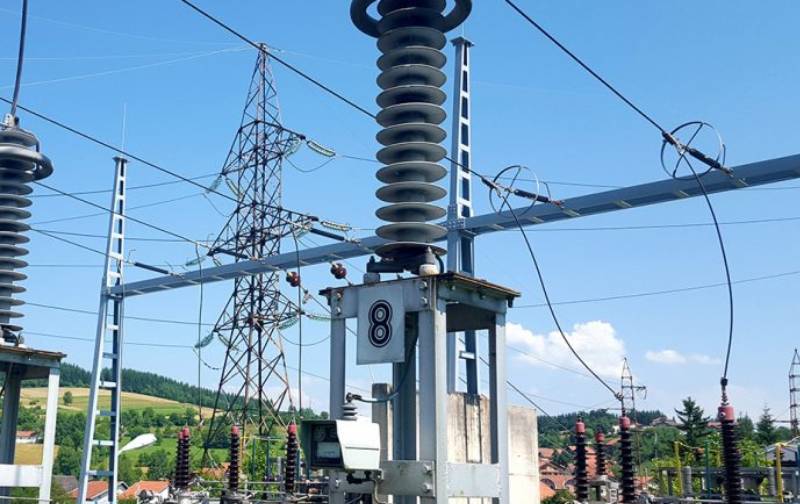 Top Benefits Of Using The Surge Arrester From The Top Manufacturers
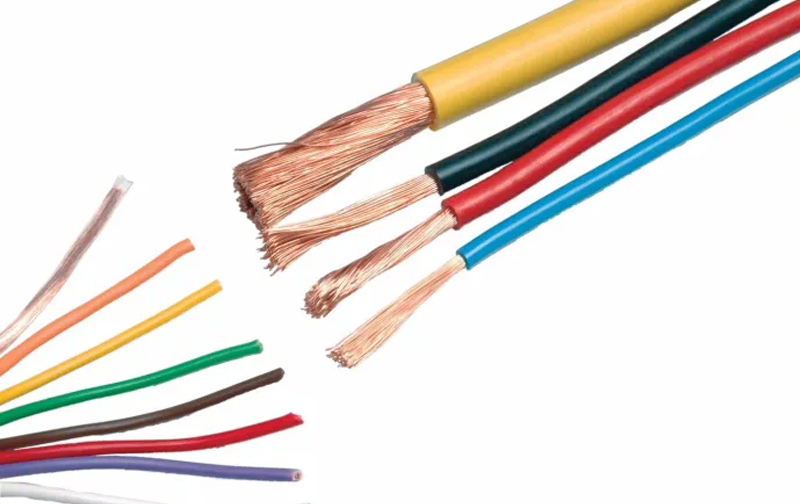 Selecting the Appropriate Power Cable Jointing Kits: Essential Factors to Consider


