



In any electrical network, cable joints play a vital role in ensuring the continuous and safe transmission of power. These joints are designed to connect two or more cables while maintaining electrical continuity and mechanical strength. Whether used in underground cable systems, overhead lines, or substation connections, proper jointing ensures system reliability, long service life, and operational safety.
Understanding the various types of cable joints is essential for professionals in power distribution, industrial automation, telecommunications, and infrastructure projects. This guide outlines the different joint types, their construction characteristics, application environments, and critical considerations for choosing the right method.
The Role and Importance of Cable Joints
Cable joints become necessary when extending the length of a cable, repairing damaged sections, creating branches in a distribution network, or connecting dissimilar cable types and sizes. A properly made joint must replicate the original cable’s insulation, mechanical integrity, and electrical performance. Poor jointing can result in power losses, heat generation, insulation failure, or even hazardous short circuits. Therefore, correct selection and installation of joints are fundamental to system efficiency and safety.
How Cable Joints Are Classified
Cable joints can be categorized based on how they are installed, the type and voltage rating of the cable, and the environment in which they operate. The most common classification includes:
Installation method (heat shrink, cold shrink, resin cast, or pre-moulded)
Cable type (Low Voltage [LV], Medium Voltage [MV], High Voltage [HV])
Application environment (indoor, outdoor, aerial, buried, or submersible)
Let’s take a closer look at the most widely used types of cable joints and where they are typically applied.
Straight-Through Joints
Straight-through joints are the most common type and are used to connect two cable lengths in a straight configuration, restoring the insulation, shielding, and overall electrical characteristics. These joints are commonly found in underground power lines and are used when extending an existing cable or repairing a damaged segment. Variants include heat shrinkable, cold shrinkable, resin cast, mechanical, and pre-moulded slip-on types. They are suitable across LV, MV, and HV applications and are known for offering high reliability and maintaining continuity with minimal resistance.
Transition Joints
Transition joints are used to connect cables of different types or construction. For example, an XLPE-insulated cable might need to be joined to a PILC cable, or an aluminium conductor to a copper one. These joints are especially useful in retrofitting and utility upgrades where older cable networks are integrated with modern systems. They are engineered to manage the variations in insulation and conductor material, ensuring that the electrical and shielding characteristics are preserved. Customized shielding and stress control elements are often included to handle different voltage and insulation properties across the connected cables.
T-Joints (Branch Joints)
T-joints, or branch joints, allow a new cable to branch off from a main line in a ‘T’ configuration. These are frequently used in street lighting circuits, distribution panels, and machinery setups where power needs to be supplied to multiple directions without cutting the main cable entirely. They can be implemented using heat shrinkable components, pre-moulded rubber parts, or resin-filled systems. T-joints are compact, secure, and efficient for expanding or branching cable networks with minimal disruption.
Heat Shrink Cable Joints
Heat shrink joints employ tubes made from cross-linked polymers that shrink when exposed to heat, forming a tight, insulating, and protective seal over the cable joint. These joints are widely used in both industrial and outdoor environments due to their excellent resistance to moisture, UV rays, and environmental contaminants. Their use is prevalent in underground installations, substation networks, and manufacturing facilities. Heat shrink joints are particularly valued for their reliability in medium and low voltage applications.
Cold Shrink Cable Joints
Cold shrink joints are made from pre-stretched elastomeric tubes placed over a removable plastic core. When the core is removed, the tube contracts and tightly wraps around the joint area. Unlike heat shrink joints, these do not require heat, making them ideal for installations in hazardous areas or confined spaces. Their ease of use, safety during installation, and adaptability make them popular in sectors such as oil and gas, petrochemicals, and urban infrastructure where open flame is restricted.
Resin Cast Joints
Resin cast joints are created by pouring resin (typically epoxy or polyurethane) into a mould that encases the joint. Once cured, the hardened resin provides excellent mechanical strength and moisture resistance. These joints are suitable for submersible or buried applications, especially in telecommunications, railway systems, and cable networks in challenging environments. They offer robust protection against chemicals, impacts, and pressure fluctuations, making them ideal for heavy-duty and critical infrastructure.
Pre-Moulded or Push-On Joints
Pre-moulded joints are factory-manufactured rubber or silicone sleeves that are manually pushed onto the prepared cable ends. They are known for their quick and easy installation, making them ideal for projects that require rapid deployment or temporary setups. These joints are frequently used in high voltage applications, substations, and compact enclosures where precision and reliability are key. Because they are manufactured under controlled conditions, they deliver consistent performance and insulation quality.
Key Considerations When Selecting a Cable Joint
When selecting the appropriate joint for your application, several factors must be evaluated. First, the voltage rating is critical. The joint must match or exceed the operational voltage of the cable. The cable construction also plays a role, including insulation type (PVC, XLPE, PILC), conductor material (copper or aluminium), and core design (single core or multi-core).
Environmental factors are equally important. For example, joints intended for outdoor, underwater, or chemically aggressive environments must offer enhanced sealing and mechanical protection. The mechanical load on the joint, resulting from vibrations, movements, or underground pressure, must also be considered. Lastly, installation conditions—such as available tools, time constraints, and safety regulations—can influence the choice between heat, cold, or resin-based joints.
Future Trends and Industry Outlook
Proper installation is crucial to the performance and safety of any cable joint. Installers should be trained and should always follow manufacturer-specific guidelines. Clean cable preparation, correct connector placement, and secure application of sealing elements are fundamental steps. Testing methods such as insulation resistance and continuity checks should be performed before energizing the joint. Using certified kits that meet international standards (IEC, IEEE, or EN) further ensures durability and performance.
As electrical systems grow in complexity and scale, the importance of high-performance cable joints becomes even more significant. The industry continues to evolve with innovations in pre-engineered kits, eco-friendly materials, and smart monitoring technologies. These advancements contribute to lower maintenance requirements, enhanced safety, and longer operational lifespans for electrical networks.
By understanding the various types of and their specific applications, professionals can plan and execute more robust, reliable electrical systems. As global power demands increase, the need for precise, well-engineered jointing solutions will continue to drive innovation and technical excellence in this critical area of electrical infrastructure.
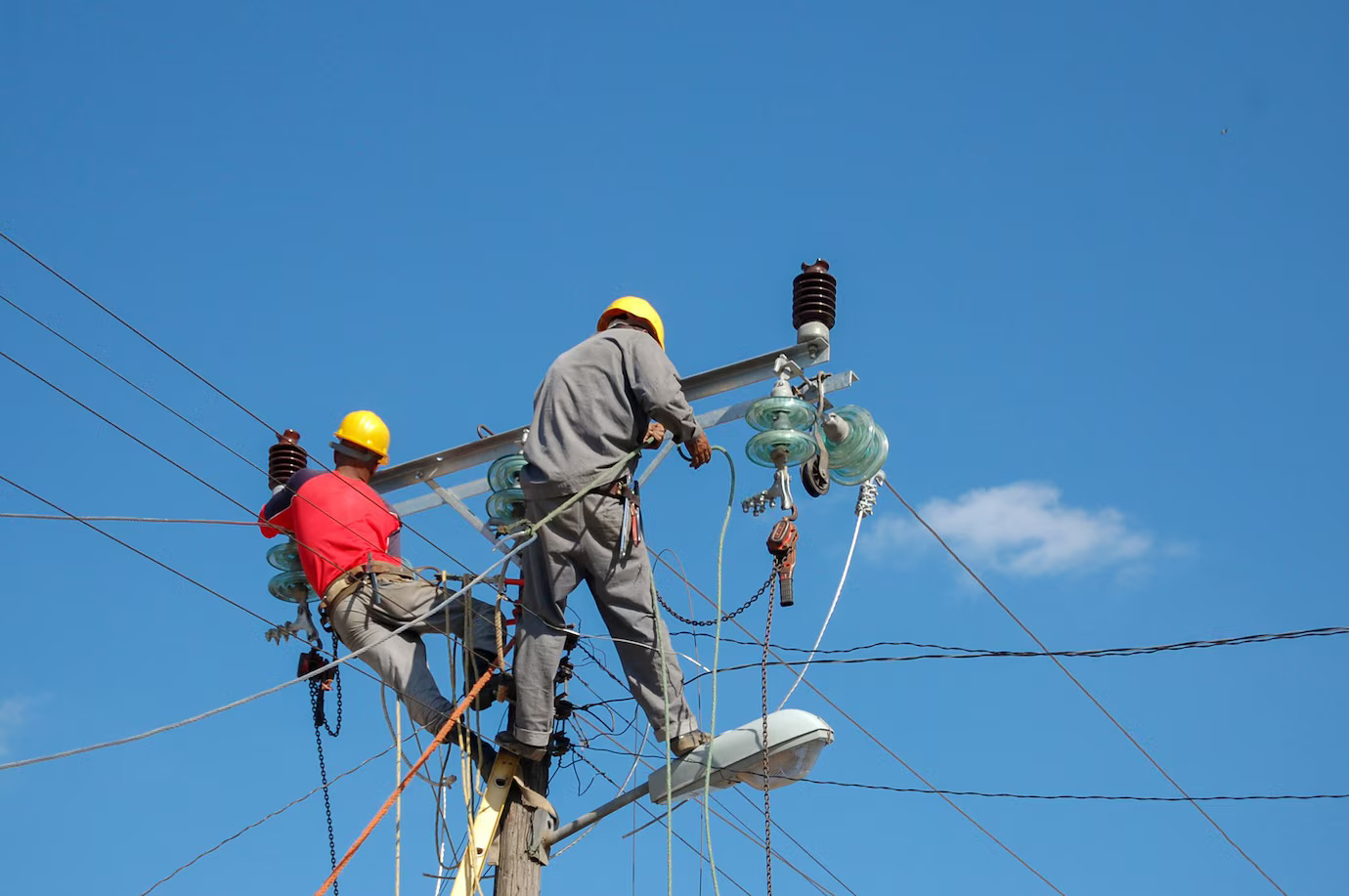 Why do you need to invest in Lightning Surge Arresters?
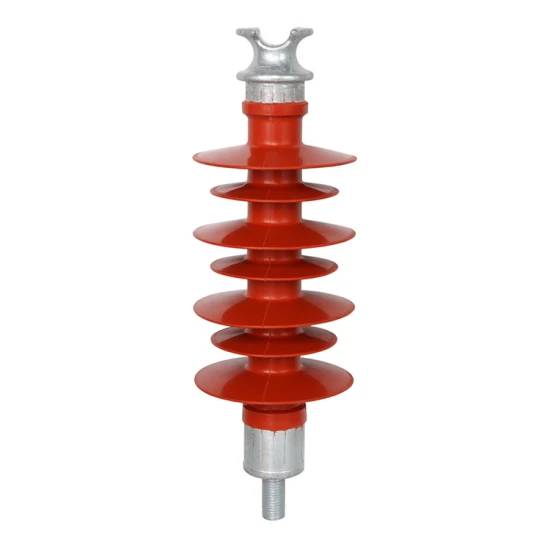 Know the leading Polymer Composite Insulators
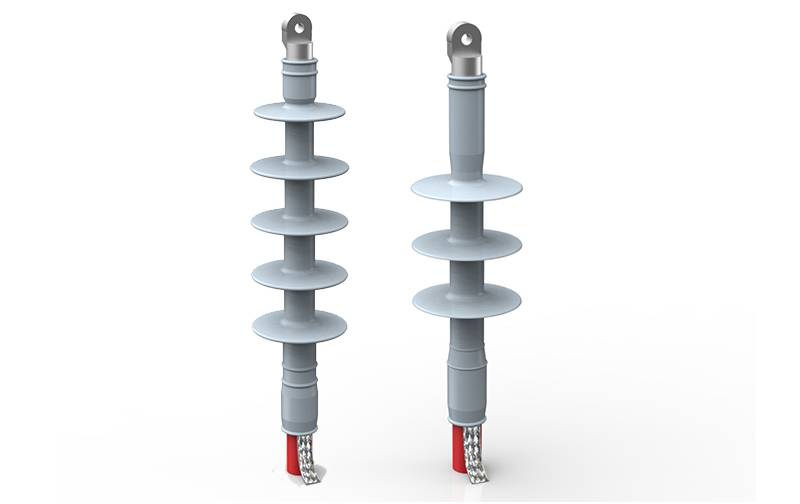 Clear The Doubts With Essential Data On Cold Shrink Cable Terminations
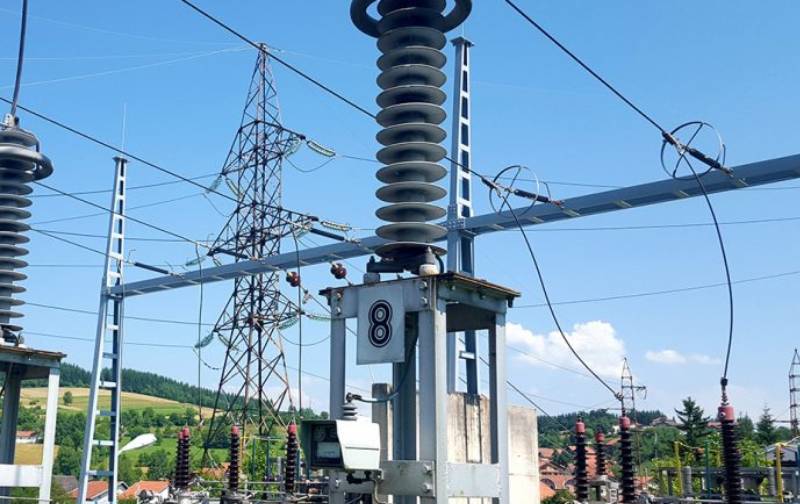 Top Benefits Of Using The Surge Arrester From The Top Manufacturers
 Selecting the Appropriate Power Cable Jointing Kits: Essential Factors to Consider


