
Last Updated : 2026-10-14
A medium-voltage cable termination is the engineered interface between a screened power cable and switchgear, a transformer or another electrical connection point. Unlike the factory-made cable, the terminated end exposes a change in insulation and conductive-screen geometry. Correctly controlling that interface is essential to the electrical performance of the installation.
For utility and industrial projects, selecting medium voltage cable termination kits involves more than choosing “11kV” or “33kV” from a catalogue. Cable construction, terminal-lug arrangement, installation orientation, indoor or outdoor exposure and the applicable qualification requirements all affect the result.
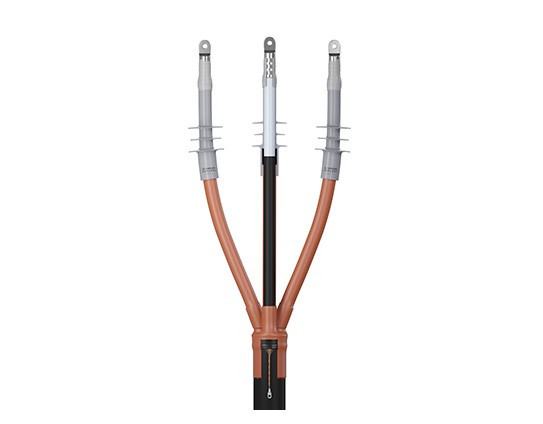
A heat shrinkable medium-voltage termination uses engineered stress-control materials, insulating tubing, sealing components and—where required—rain sheds and anti-tracking insulation. Installed in the correct sequence, these components manage the electric field at the cable screen cutback and provide electrical insulation and protection at the cable end. The act of shrinking a tube onto a cable does not, by itself, provide adequate stress grading.
Electrical stress concentrations, contamination, incorrect insulation preparation or poor installation may contribute to partial discharge and premature ageing. The termination must be installed using the manufacturer’s approved instructions and compatible components, including the terminal lug.
Design aspectIndoor applicationOutdoor applicationEnvironmentSwitchgear rooms, indoor panels and protected terminals.Exposed poles, outdoor transformers and other external interfaces.Insulation and stress controlMatched to voltage, cable and interface geometry.Matched to voltage and geometry plus external pollution exposure.Creepage and anti-trackingAppropriate to enclosure and pollution conditions.Surface geometry and materials suited to the specified pollution severity.ProtectionContamination control and appropriate sealing.UV, moisture, rain and environmental sealing where required.
An indoor termination should not be substituted for an outdoor termination unless the specific product is rated for that installation. Air clearances and surface creepage must be reviewed together with the associated switchgear or transformer interface, altitude, pollution conditions and utility specification.
MV accessories are selected using the cable system’s designated U?/U (Um) ratings. For example, cable systems commonly described as 11kV, 22kV and 33kV may be associated with 12kV-, 24kV- and 36kV-class accessories respectively, but the actual cable designation and project specification control the selection. A 42kV maximum-voltage product is not automatically covered by a test qualification limited to Um = 36kV.
AYDI’s published heat shrink termination catalogue includes single-core and three-core indoor/outdoor XLPE/EPR product families up to 36kV. It also lists a separate 26/45 (52)kV single-core category; that is a distinct range and should not be presented as interchangeable with ordinary 11–33kV designs.
A reliable termination selection requires the conductor cross-section, conductor material, insulation diameter, insulation material, number of cores, metallic-screen construction and installation configuration. The lug barrel, stud-hole arrangement and equipment clearances must also be compatible. For three-core cable, breakout geometry and earthing of individual screens and armour are important parts of the kit arrangement.
Conventional low-voltage aerial bunched cable is different from specially engineered medium-voltage aerial cable systems. AYDI lists an aerial bunched termination category in its catalogue, but a buyer should confirm the exact cable construction and product rating rather than assume that an underground XLPE termination or LV ABC kit is interchangeable.
Heat, solar radiation, coastal salts, airborne dust and occasional moisture can increase the demands on outdoor terminations. Materials and geometry must suit the intended service conditions, while installation teams must manage site contamination, correct cable preparation and the specified stress-control process. For industrial and oil-and-gas facilities, hot-work requirements and hazardous-area classification are separate issues: a product cannot be described as approved for an explosive atmosphere without the relevant evidence.
Risk factorEngineering responseIncorrect screen cutback or stress-control placementMeasure and prepare to the approved installation drawing.Contaminated or damaged insulation surfaceProtect the work area and use prescribed cleaning and preparation methods.Wrong termination size or incompatible cable diameterCheck actual dimensions against the kit’s specified working range.Inadequate outdoor creepage or unsuitable surface materialSelect an outdoor design consistent with pollution and environmental requirements.Unsuitable lug or loose connectionUse the specified connector/lug and verified installation process.
These are recognised risk categories, not a diagnosis of any individual failure. Failure analysis requires inspection, operating history and appropriate electrical investigation.
For accessories used with extruded-insulation MV cables, IEC 60502-4:2023 sets type-test requirements within its scope up to Um = 36kV. HD 629.1 S3:2019 covers relevant accessories for extruded-insulation cable systems up to Um = 42kV, with referenced test methods in EN 61442. A technical review may consider power-frequency and impulse withstand, partial discharge, load-cycle performance and applicable outdoor environmental tests, according to the exact product category and test sequence.
Different tests apply to different accessory types and configurations. A report for one termination design is not blanket certification of every voltage, size or indoor/outdoor variant. EPCs should ask the manufacturer for the report reference, tested construction, applicable test sequence and any utility-specific requirements.
Al Yamuna Densons Industries operates from Ras Al Khaimah, UAE, with a product range covering heat shrink, cold shrink and pre-moulded cable accessories. AYDI’s publicly described industry heritage exceeds 50 years at group level. Its published heat shrink termination range includes single-core and three-core configurations for indoor and outdoor XLPE/EPR installations up to 36kV, with a separate higher-voltage product family listed on the website.
For utilities, electrical consultants and EPC contractors, AYDI can support cable-to-kit selection and preparation of product-specific technical documentation. Relevant qualification and approval evidence should be reviewed against the exact offered item before the product is specified or purchased.
Share the cable voltage U?/U (Um), insulation type and diameter, conductor size and material, number of cores, screen and armour arrangement, terminal equipment details, indoor/outdoor location, pollution conditions and project specification. AYDI can then identify a suitable kit family for technical review and provide the corresponding available documentation and quotation.
Have a question, idea, or requirement? Drop us a message and our team will get back to you with clear answers no fluff, no delay.